
At a glance
- Guatemala is the world's largest cardamom producer and exporter, grown in highland regions chiefly for export markets.
- India is a major producer and the largest consumer, Kerala's Idukki district and the Cardamom Hills, so much of its crop is consumed domestically.
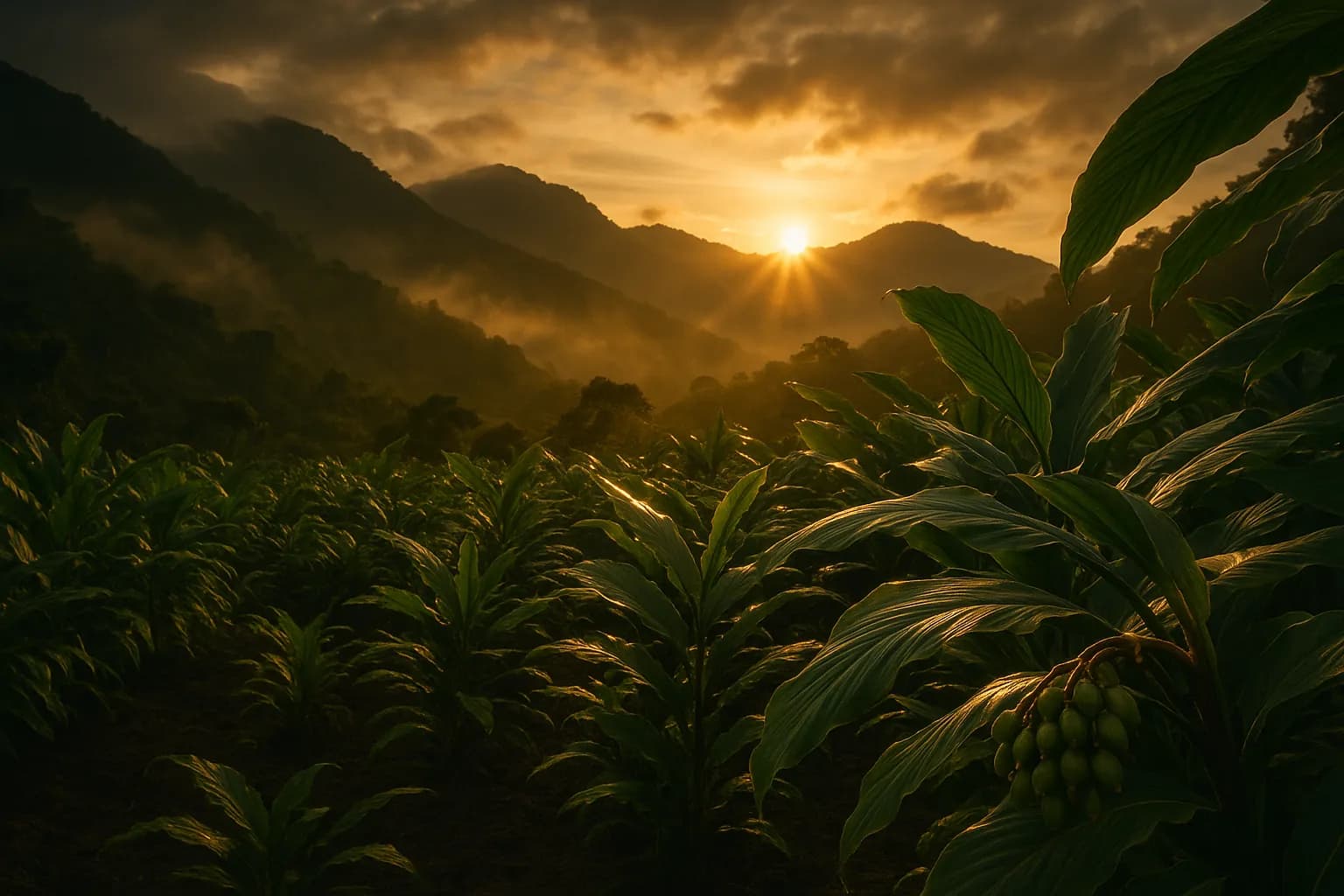
- Tanzania's cardamom comes from the Eastern Arc highlands: the Uluguru Mountains (Morogoro) and Usambara Mountains (Tanga).
- Tanzanian pods are shade-grown and slow-cured for deep green colour and a sweet, floral Elettaria profile.
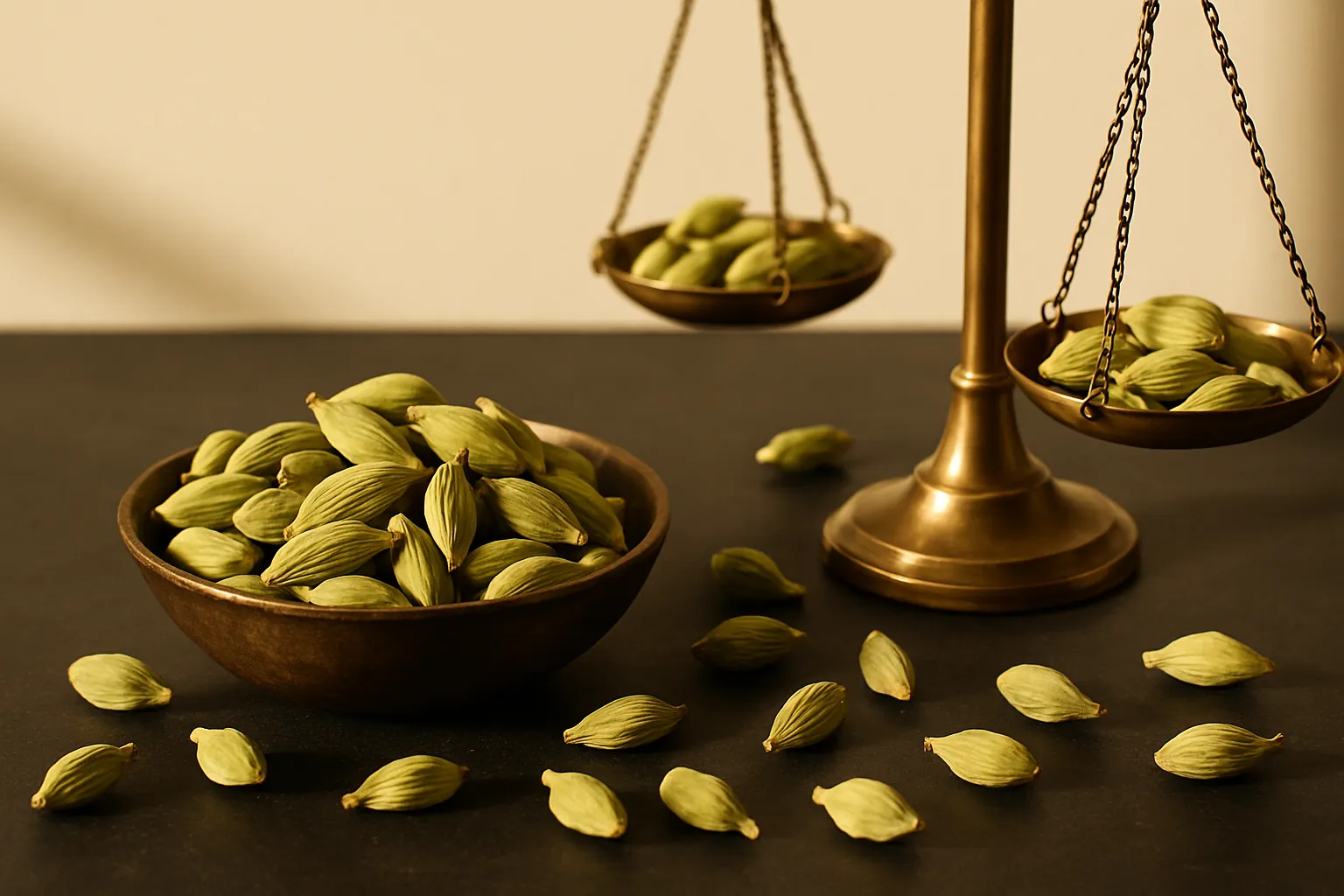
- Cardamom is a high-value, low-volume spice, sourced in kilograms and pallets, not the container tonnages of bulk crops.
- Tanzania's offer is single-origin traceability and competitive pricing, as a diversifying alternative to the two dominant origins.
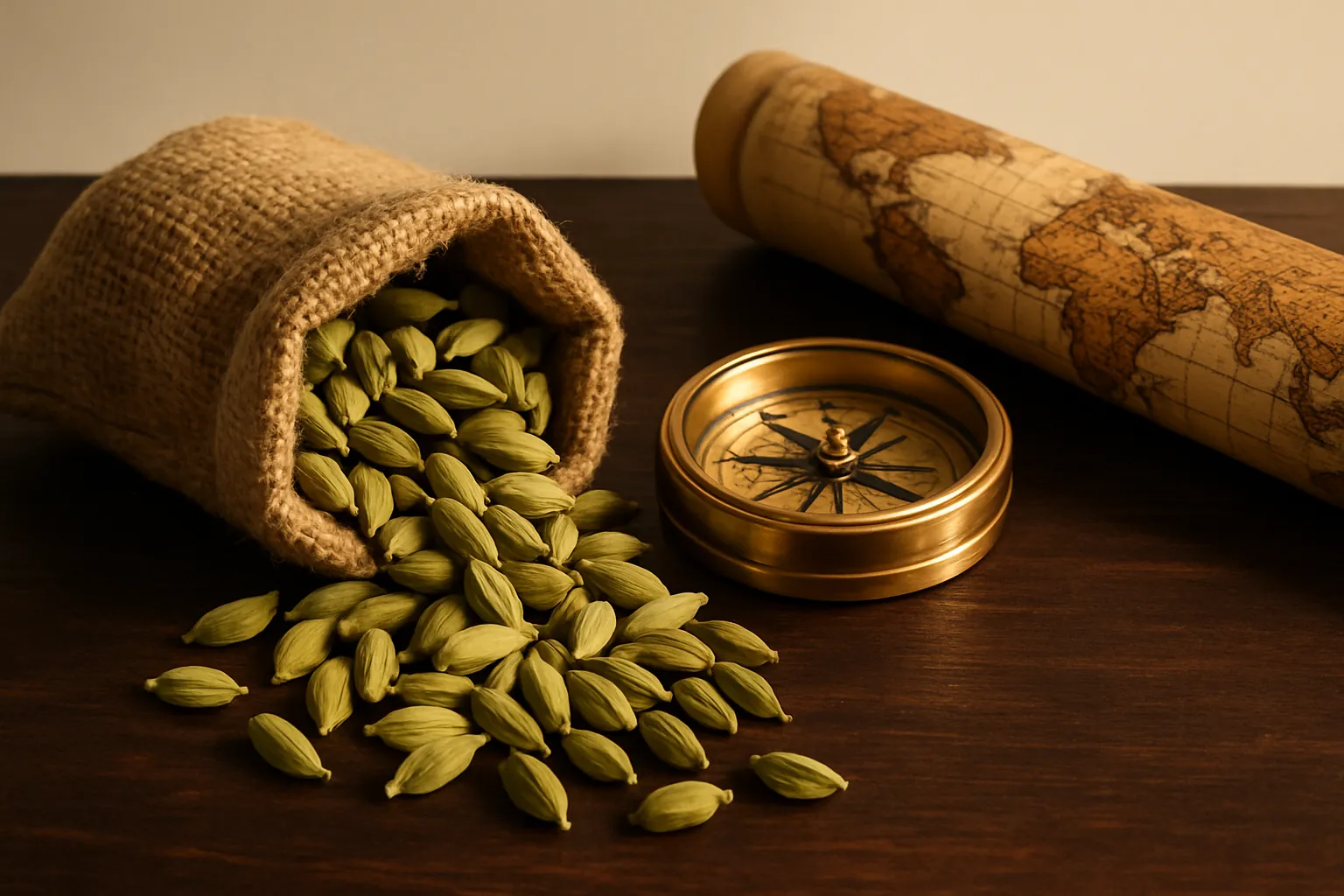
Ask where the best cardamom comes from and the honest answer is: it depends what you need it for. Guatemala dominates export volume, India dominates both growing heritage and consumption, and each solves a different sourcing problem. Tanzania is the newer name in the conversation, a single-origin highland source building a reputation on colour, careful curing and traceability rather than on scale. This is a straight comparison, origin by origin, with no disparagement of anyone: the giants earned their positions, and knowing why helps a buyer decide where the next order should sit.
Guatemala: the volume leader
Guatemala is the world's largest producer and exporter of green cardamom, a position it has held for decades since the crop was established in its highland departments. Cardamom there is grown overwhelmingly for export rather than domestic use, which means large, reliable volumes flow into the Middle East and South Asia every season. Buyers value Guatemalan cardamom for pod size, bright green colour and the consistency that scale allows. Its aroma profile is often described as cleaner and slightly less intense than the Indian benchmark, a difference of style, not of quality, and one many high-volume blenders actively prefer.
India: the heartland and the biggest kitchen
India is where Elettaria cardamomum was first cultivated, centred on Kerala's Idukki district and the aptly named Cardamom Hills. It remains a major producer, and Indian cardamom is celebrated for an intense, complex aroma and high volatile-oil content that command a premium. But India is also the world's largest consumer of cardamom, it runs through chai, sweets, garam masala and festival cooking on a vast scale, so a large share of the crop never leaves the country. For export buyers, that means Indian availability tightens whenever domestic and festival demand spikes, and price follows.
Tanzania: single-origin from the Eastern Arc
Tanzania's cardamom grows in the Eastern Arc highlands, the Uluguru Mountains behind Morogoro and the Usambara Mountains of Tanga, cool, humid, forested country that suits the plant's preference for shade and altitude. The crop is grown under canopy shade by smallholders, hand-picked over several rounds as pods ripen, and slow-cured to lock in deep green colour and a sweet, floral aroma. Volumes are modest next to the giants, which is precisely the point: we source in kilograms and pallets against named districts and curing batches, so a buyer gets a traceable, colour-consistent lot rather than an anonymous share of a huge pool.
“We are not trying to out-volume Guatemala or out-heritage India. We are offering a buyer one thing they cannot always get from either, a green cardamom they can trace to a mountain and a curing batch.”
- Joachim Mbwana, Sourcing Lead
Origin by origin, at a glance
- Guatemala, largest exporter; grown for export; prized for size, green colour and volume consistency.
- India, the origin and the largest consumer; intense aroma and high oil, but export availability tightens with domestic demand.
- Tanzania, smaller single-origin highland source; shade-grown, slow-cured deep-green pods; traceable to district and batch.
- Rule of thumb: pure scale → Guatemala; benchmark aroma with price and availability swings → India; traceable colour-led lots at competitive prices → Tanzania.
How should a buyer choose?
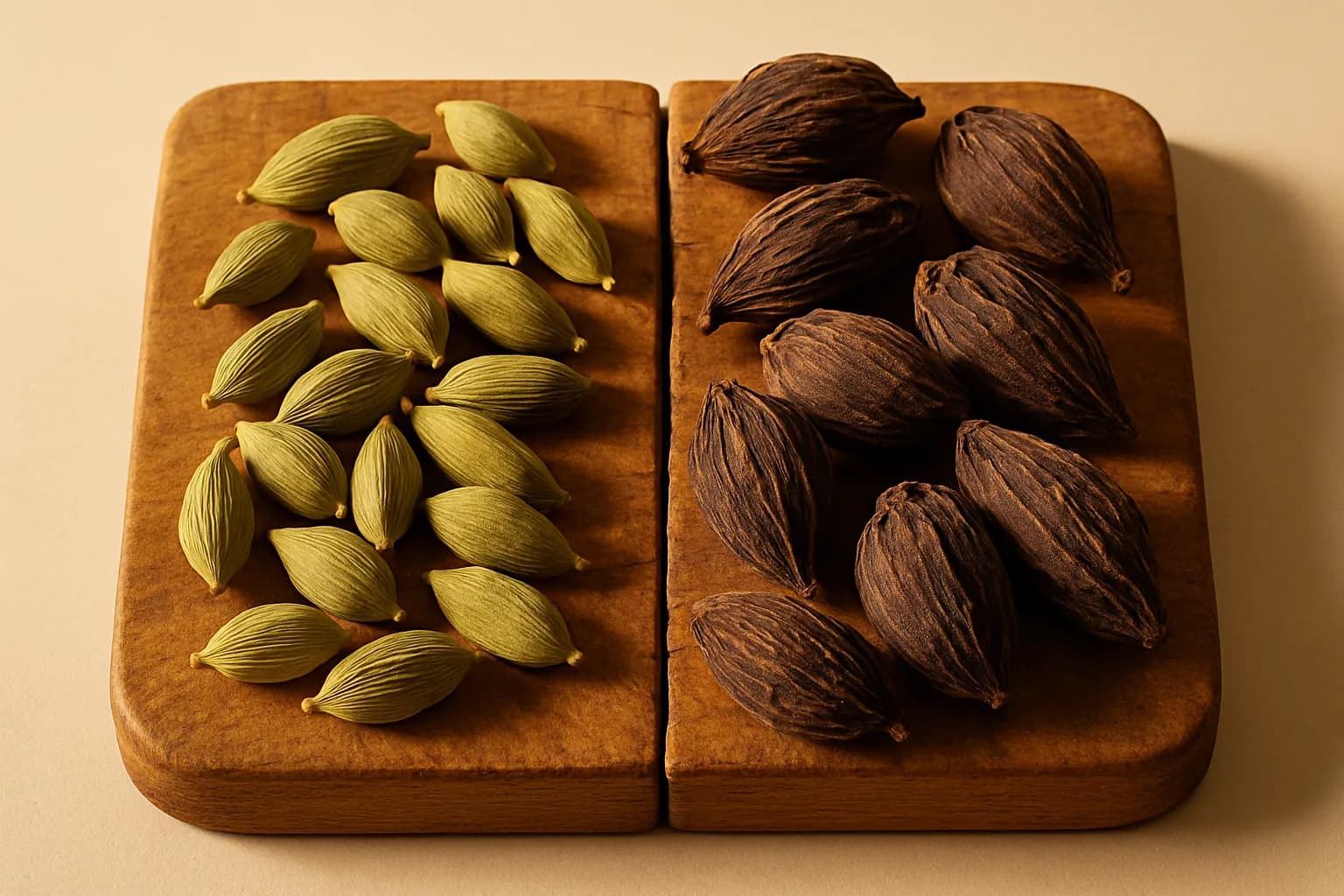
Start from the product, not the flag. If you need the deepest available pool and pod size above all, Guatemala is the reference. If a recipe was built on the classic Indian aroma and you can manage seasonal price and availability, source Indian with a backup origin qualified. If you want deep-green, slow-cured pods traceable to a named highland district, for premium retail, colour-led blends or a diversified supply base, Tanzania belongs on the shortlist. Many mature spice programmes blend the answers: a benchmark origin for the flagship line and a traceable secondary origin to hedge concentration risk. Tell us the grade and destination and we will quote the Tanzanian side within a business day.
Related reading
Related reading
Leave a Comment
Your email address will not be published.