
At a glance
- Cardamom is among the most price-volatile spices, labour-intensive, weather-sensitive and low-volume relative to demand.
- Supply is concentrated: Guatemala leads exports, India leads consumption, and both harvest cycles move the global price.
- Demand spikes around the Gulf coffee trade, Ramadan, and Indian festival and wedding seasons tighten the market.
- Grade and pod size matter: bold, deep-green pods trade at a premium to smaller shipment grades.
- Volatile-oil content is a further premium, flavour and extraction buyers pay for high-oil lots.
- This is a factors-and-outlook guide, not a price sheet, we quote indicative FOB levels per grade on request.
Cardamom has a reputation among spice buyers for keeping them awake at night, and the reputation is earned: it is one of the most price-volatile commodities in the trade. A single poor harvest in a concentrated growing region, or a demand surge tied to a religious calendar, can move the market sharply in either direction. We do not publish forecast prices, anyone who claims to know where a volatile spice will trade in six months is guessing, but the forces that drive the market are knowable, and understanding them helps a buyer time contracts and read a quote. Here are the ones to watch through 2026.
Supply: two origins set the tone
Production is concentrated, and that concentration is the root of the volatility. Guatemala is the largest exporter, so its highland harvest, and the weather over it, anchors the volume available to world markets. India is the second major producer but also the largest consumer, which means Indian export availability depends on how much the domestic market leaves over after chai, sweets and festival cooking take their share. When either origin has a short crop, the market feels it quickly because there is no deep pool of alternative supply to cushion the shock. This is also the structural reason a diversifying origin like Tanzania is drawing more buyer interest.
Weather: the swing factor nobody controls
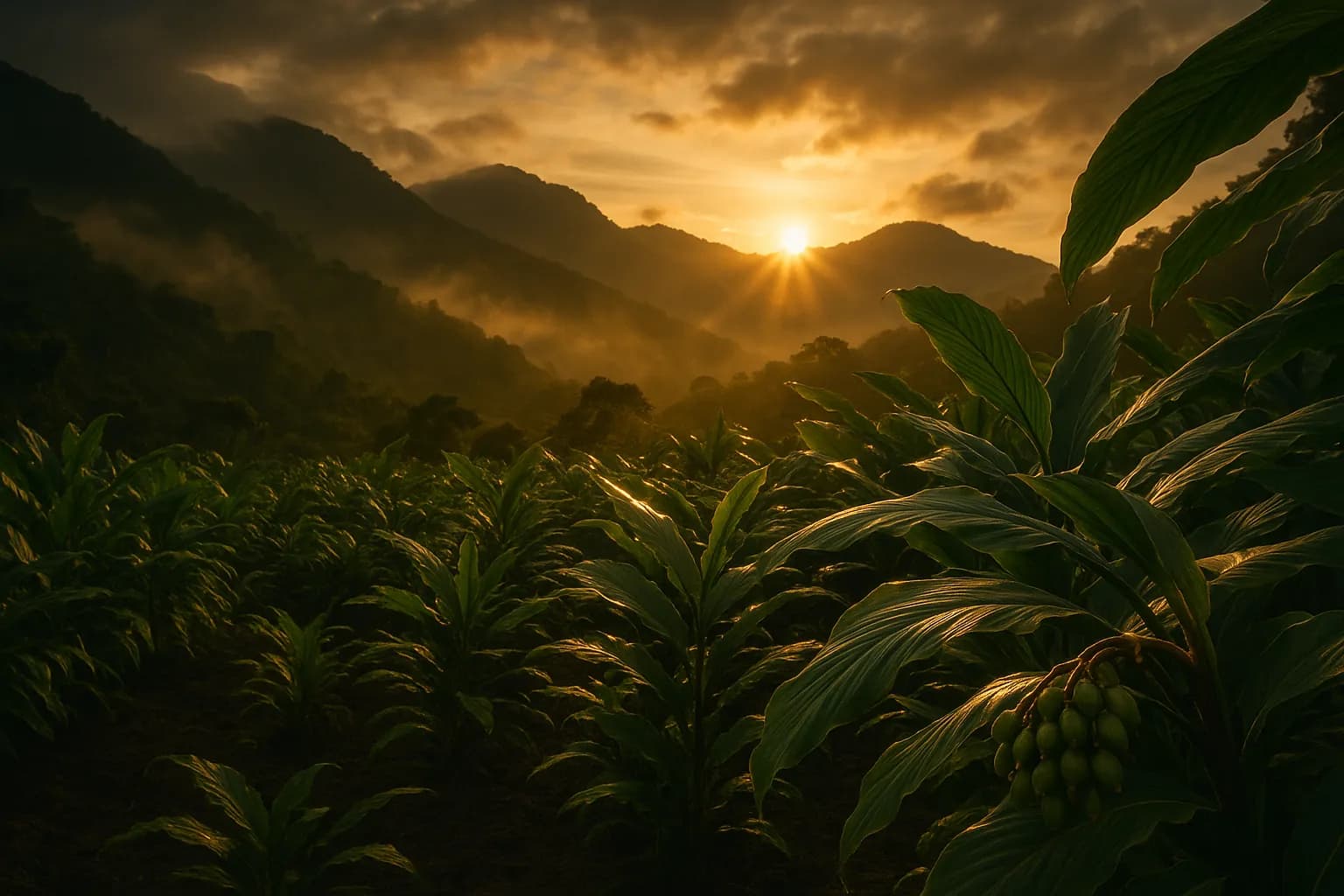
Cardamom is a highland crop that dislikes both drought and excess, and its price is unusually sensitive to weather in a handful of growing districts. Dry spells during flowering or capsule fill cut yields; unseasonal heavy rain damages pods and complicates curing. Because the crop is perennial and hand-picked over several rounds, a bad stretch of weather cannot be made up quickly by planting more. For a buyer, the practical implication is that weather news from Kerala's Cardamom Hills or the Guatemalan highlands is a leading indicator worth following, not background noise.
Demand: coffee, Ramadan and the festival calendar
On the demand side, cardamom moves to a calendar. The Gulf's cardamom-scented coffee culture is a large and steady buyer, and demand there, and across the Muslim world, lifts ahead of Ramadan and Eid. India's festival and wedding seasons pull hard on the domestic market at their own times of year. When these demand peaks coincide with a tight crop, prices can spike; when a good harvest meets ordinary demand, they ease. Reading the market means watching supply and this demand calendar together, not either alone.
“Cardamom does not drift; it steps. A weather scare in one district or a demand peak on the calendar can reprice the whole market in weeks. Buyers who plan against the crop and the calendar sleep better than buyers who plan against last month's invoice.”
- Joachim Mbwana, Sourcing Lead
Quality premiums: grade, colour and oil
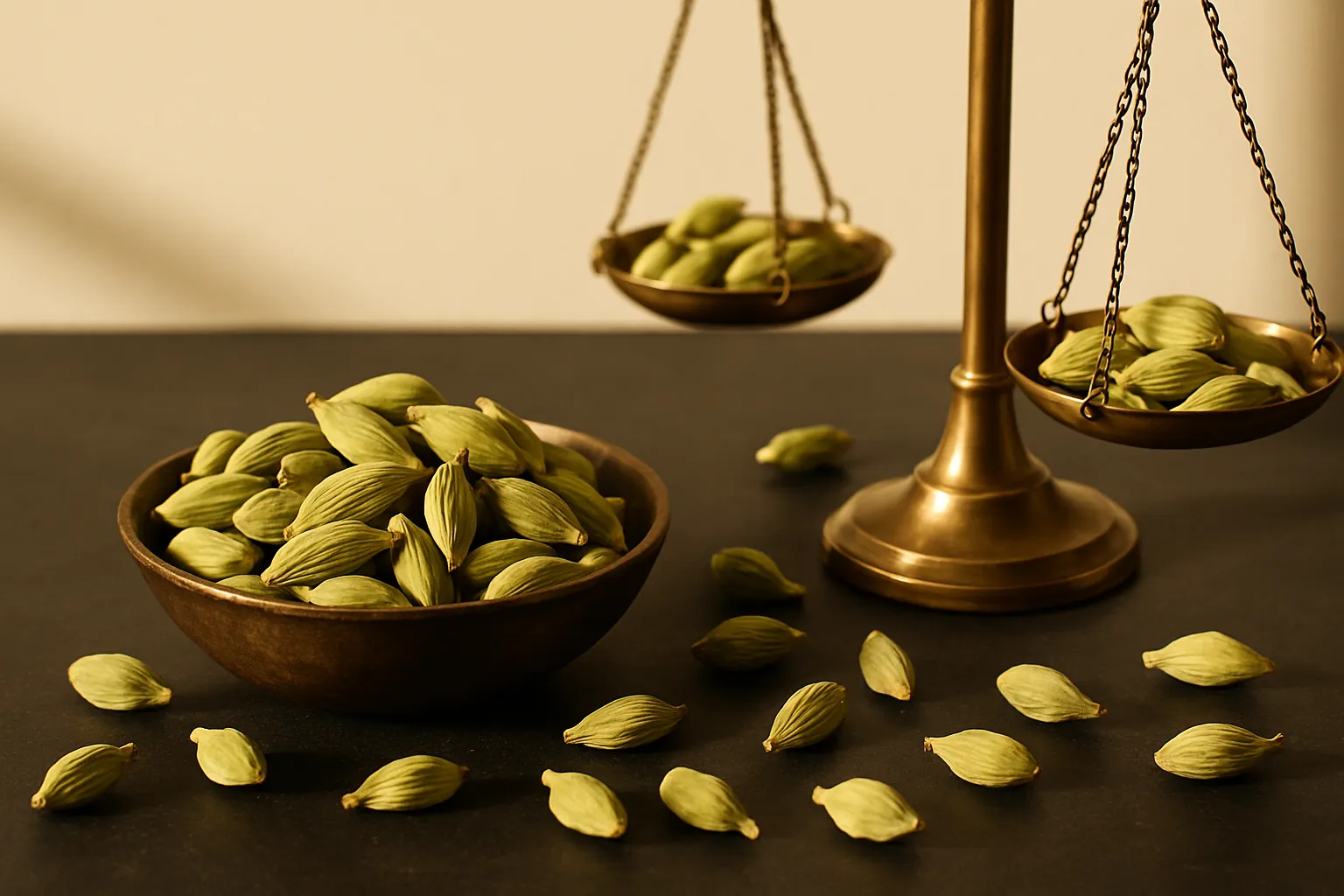
Not every kilogram of cardamom trades at the same price, and the spreads within the market are as important as the market level. Larger, greener pods carry more seed and more volatile oil, so Extra Bold and Bold grades command a premium over Superior and Shipment grades, and a deep, uniform green adds another layer on top. For flavour houses and extractors, oil content is the number that matters most, a high-oil lot yields more oleoresin or essential oil per tonne, and buyers who specify it pay accordingly. A quote is only comparable once grade, colour, moisture and oil expectation are all on the table.
Five dynamics to watch through 2026
- Guatemalan harvest and weather, the single biggest swing factor for world export supply.
- Indian domestic and festival demand, it decides how much of India's crop reaches export markets.
- The Gulf coffee and Ramadan demand cycle, a large, calendar-driven pull on green cardamom.
- Grade and colour spreads, bold, deep-green pods widening or narrowing their premium over shipment grades.
- Oil-content premiums, flavour and extraction demand keeping high-oil lots bid above the average.
Price predictions are guesses in a market moved by weather and a religious calendar. What we can say with confidence is that documented quality, a stated grade, a colour reference, a measured moisture and, where it matters, an oil-content figure, trades at a premium to undifferentiated pods, and that buyers who plan around harvest and demand timing land better numbers than those who buy reactively. If you would like an indicative FOB level for a specific grade and destination, our export desk can return one within a business day.
Related reading
- Wholesale green cardamom supplier overview- grades, MOQ, testing and shipping in one place
- Tanzania vs India and Guatemala cardamom- Why supply is concentrated
- How green cardamom is graded- What the grade and colour premiums buy
- Bold Green Cardamom 8 mm+- The premium Extra Bold grade
- Shipment Green Cardamom 6 mm- Economical volume grade
- Talk to our export desk- Indicative FOB quotes by grade
Related reading

Leave a Comment
Your email address will not be published.